Long before it was called Spark House, this place held classes, conversations, library work, celebrations, and everyday moments. Susi's is our current focus, and every contribution can also help recover the wider history of Isanti—its people, families, businesses, organizations, neighborhoods, and traditions.
Your family album may hold part of Isanti's history
Photographs of a class, a familiar room, a library activity, or a neighborhood gathering can reveal details that no official record contains. Fronts, backs, captions, and memories all matter.
Add the story behind the image
Names and memories make a collection meaningful
Even a short note about who was present, what was happening, or why the moment mattered helps future readers understand the people and relationships connected to this place.
What belongs in the collection
Everyday materials can carry extraordinary history
Photographs of the house, Susi’s, library activities, classes, and gatherings
Letters, flyers, programs, recipes, newspaper clippings, and handwritten notes
Names, dates, family connections, and the stories behind familiar faces
Recorded memories from neighbors, visitors, volunteers, and community members
Clear credit, privacy, and sharing instructions for every contribution
A thoughtful heritage process
From family album to community memory
01
Share what you have
Upload a digital file or arrange a visit for photographs, albums, documents, objects, or an in-person memory.
02
Add the human details
Tell us who, when, where, and why—the context that turns an image or document into a community story.
03
Preserve it carefully
Volunteers record permissions, organize files, and digitize physical materials without altering the originals.
04
Keep the story useful
With the contributor’s permission, materials can support local history, library learning, and future generations.
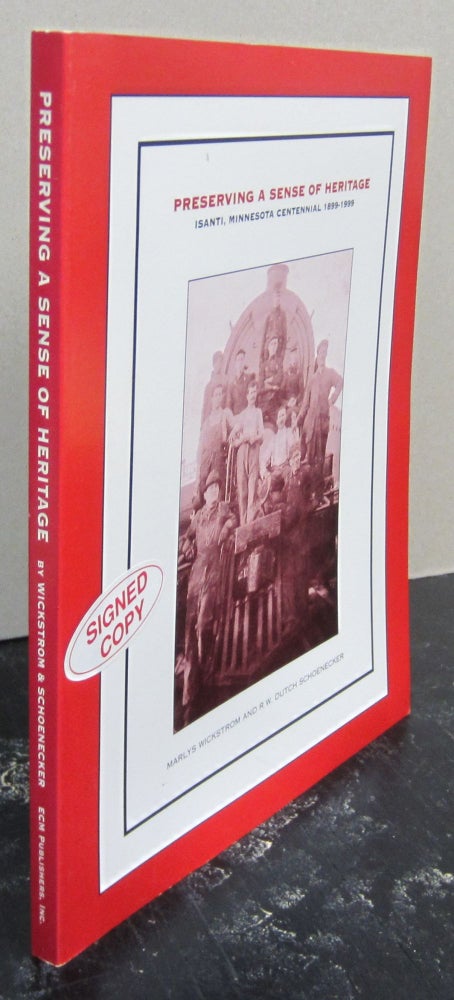
Preserving a Sense of Heritage: Isanti, Minnesota Centennial, 1899–1999
By Marlys Wickstrom and R. W. “Dutch” Schoenecker · ECM Publishers, 1998
This book is our starting reference for gathering Isanti's wider story. The City of Isanti uses it as the source for its published history excerpt and invites residents to review the complete book at City Hall.
Spark House can help carry that work forward by gathering the photographs, documents, objects, corrections, and personal memories still held by families and neighbors—especially the stories that never made it into print. With the uploader's separate permission, Spark House will work to share digital copies and their stories with the Isanti County Historical Society for preservation and research review. Sharing is optional, never automatic; the Society decides what it can accept.
Spark House brings Susi's story, wider Isanti history, and library learning together. Children, parents, grandparents, neighbors, readers, volunteers, and longtime visitors all carry pieces of the story.
The work begins with respect: for original materials, contributor choices, the people represented in the collection, and the community relationships that keep knowledge alive.
Start smallInstall authenticallyServe familiesBuild by mutual agreement